7 Powerful Mental Health Benefits of Gardening
26/02/2026
Why Gardening is Good for Your Mental Health: 7 Surprising Benefits
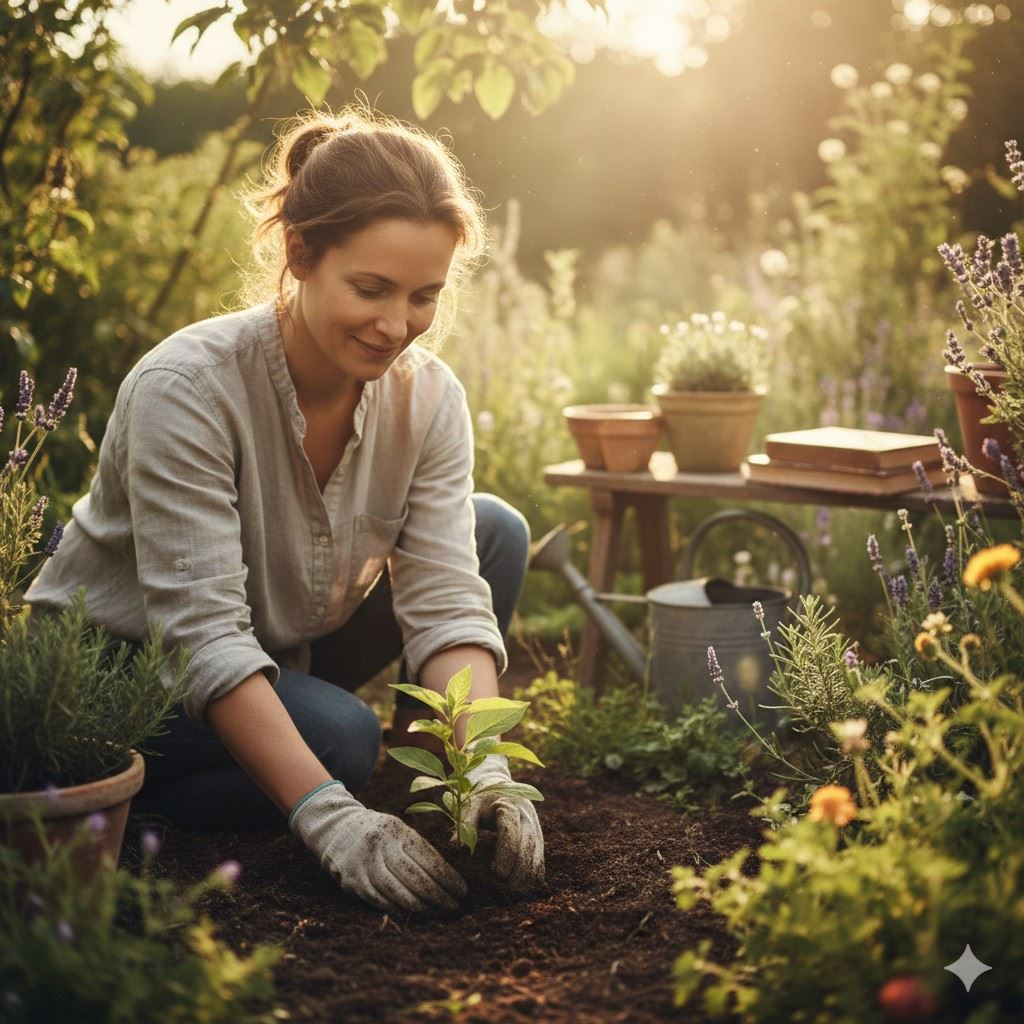
In today’s fast-paced world, it’s easy to feel overwhelmed by daily pressures. Whether it’s work stress, family life, or digital burnout, our minds rarely get a chance to slow down.
Gardening is more than just a hobby; it’s a powerful tool for mental wellbeing. Spending time in your garden isn’t just about curb appeal—it’s about cultivating a healthier mind. Here is how getting your hands in the soil can transform your mental health.
1. Reduces Stress and Anxiety through Mindfulness
Gardening encourages you to step away from screens and emails. The rhythmic nature of planting, watering, and weeding promotes mindfulness—the practice of focusing entirely on the present moment.
Studies supported by the NHS and the Mental Health Foundation highlight how time spent outdoors significantly reduces cortisol levels. Fresh air and natural light work together to quiet the "noise" of a busy brain.
2. Natural Mood Boosters: Serotonin and Dopamine
There is a profound sense of satisfaction in seeing your hard work come to life. Whether it’s a flower blooming or a seedling sprouting, gardening triggers the release of "feel-good" chemicals like serotonin and dopamine. Even the simple act of digging in the dirt exposes you to healthy bacteria (Mycobacterium vaccae) that has been linked to improved mood.
3. Gentle Physical Activity for Mental Clarity
You don’t need to run a marathon to reap the rewards of exercise. Gardening is a functional, low-impact workout. Activities like:
These movements improve fitness and are closely linked to better sleep quality and reduced symptoms of depression.
4. Reconnecting with Nature
Modern life often leaves us "nature-deprived." Gardening bridges that gap. Organizations like the Royal Horticultural Society (RHS) emphasize that listening to birdsong and feeling the sun on your skin provides a sense of calm and balance that indoor environments simply can’t match.
5. A Grounding Sense of Purpose
Caring for a living thing provides a healthy sense of responsibility. Knowing that a plant depends on your care can be incredibly grounding. Establishing a routine—like watering your plants every morning—provides structure and meaning, which is especially helpful during difficult personal times.
6. Combatting Loneliness Through Community
Gardening can be a wonderful social bridge. Whether you are joining a community allotment, swapping seeds with a neighbour, or chatting over the garden fence, it helps combat isolation and builds a sense of belonging.
7. Sparks Creativity and Focus
Designing a garden layout or choosing a color palette for your flower beds stimulates the creative side of your brain. Many people find that after a session in the garden, they return to their professional work feeling refreshed, focused, and better at problem-solving.
How to Get Started (Even Without a Green Thumb)
You don’t need a massive estate to enjoy these benefits. You can start small by:
-
Potting a few herbs on a sunny windowsill.
-
Creating a small container garden on a balcony.
-
Tending to a single flower bed or a small patch of lawn.
The key is to enjoy the process, not just the result.
Final Thoughts
Next time you feel the weight of the world on your shoulders, step outside and pick up your trowel. Gardening is a natural, accessible way to support your mental health. Your mind—and your plants—will thank you for it.
"Don't aim for perfection." A few weeds are okay. The goal isn't a Chelsea Flower Show gold medal—it's a calmer, happier you!