How to Stop Your Lawn Mower Leaving Grass Clumps
02/06/2026
There's nothing more satisfying than seeing neat, freshly cut stripes across your lawn. But if your mowing session ends with piles of grass scattered around the garden, the finished result can look untidy and unprofessional.
Grass clumping is a common issue for homeowners and groundskeepers alike. Fortunately, it usually has a straightforward cause and, in most cases, an easy solution. By understanding what creates these clumps and making a few adjustments to your mowing routine, you can achieve a cleaner, healthier-looking lawn every time.
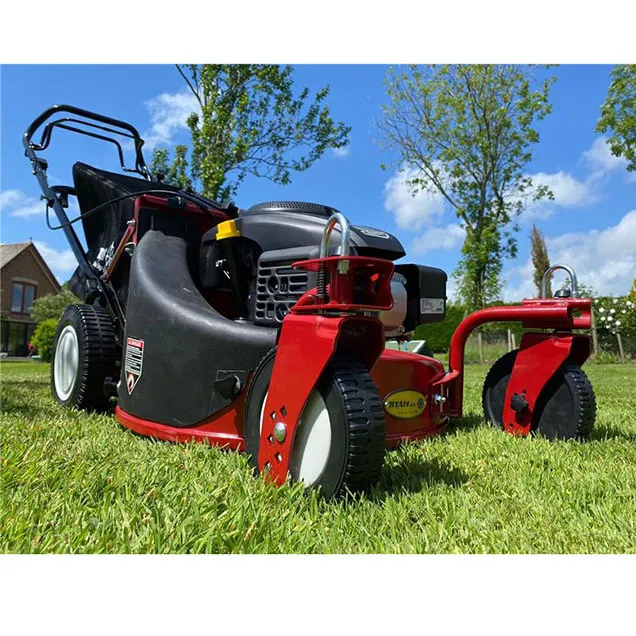
What Causes Grass Clippings to Clump?
Modern lawn mowers are designed to create airflow beneath the cutting deck. This airflow lifts the grass upright, allows the blade to cut efficiently, and either disperses or collects the clippings.
When something interferes with this process, the mower struggles to handle the cut material properly. Instead of being spread evenly, the grass gathers together and drops onto the lawn in noticeable clumps.
Several factors can contribute to this problem.
Mowing Wet Grass
One of the most common reasons for grass clumping is excess moisture.
When grass is wet from rain, dew, or high humidity, the clippings tend to stick together rather than flow freely through the mower deck. Damp grass can quickly accumulate underneath the machine before eventually falling out in large patches.
Even if the surface appears dry, moisture can often remain lower down within the turf, especially in shaded areas.
For the best results, wait until the lawn has dried thoroughly before mowing. This simple change can dramatically reduce the amount of clumping you experience.
Removing Too Much Growth in One Cut
If your lawn has been left for a while and becomes overgrown, your mower may struggle to process the large volume of material being cut.
Attempting to remove too much height at once creates an excessive amount of clippings, overwhelming the mower's ability to discharge or collect them efficiently.
A good rule to follow is to avoid cutting more than one-third of the grass height during a single mowing session. If the lawn is particularly long, reduce the height gradually over several cuts rather than trying to achieve the desired length all at once.
Dull Mower Blades
Blade condition has a significant impact on mowing performance.
Sharp blades slice cleanly through the grass, creating smaller clippings that are easier for the mower to manage. A worn or blunt blade tears and shreds the grass instead, producing heavier, uneven clippings that are more likely to collect in piles.
In addition to causing clumping, dull blades can leave the lawn looking ragged and may increase the risk of disease entering damaged grass tips.
Regular blade sharpening is one of the easiest ways to improve both lawn appearance and mower performance.
Grass Build-Up Under the Deck
Over time, grass residue can accumulate underneath the mower deck.
As this layer thickens, it restricts airflow and reduces the mower's ability to circulate clippings effectively. The result is poor collection performance and an increased likelihood of grass being deposited in clumps across the lawn.
Inspecting and cleaning the underside of your mower regularly helps maintain proper airflow and keeps the machine operating efficiently.
Excessive Thatch
The condition of the lawn itself can also contribute to clumping.
A thick layer of thatch—made up of dead grass, roots, and organic matter—can trap moisture close to the soil surface. This creates damp conditions even during dry weather and can make mowing more difficult.
Heavy thatch also prevents grass from standing upright, leading to inconsistent cutting and uneven clipping distribution.
Regular scarifying and lawn aeration can help reduce thatch levels and improve overall lawn health.
Travelling Too Quickly
Many people overlook mowing speed as a potential cause of clumping.
Driving or pushing the mower too fast gives the machine less time to process the grass properly. This is particularly noticeable when cutting dense or fast-growing lawns.
Reducing your speed slightly allows the mower to maintain better airflow and improves the quality of the cut, helping to prevent grass from gathering in piles.
Repeating the Same Mowing Pattern
Always mowing in the same direction can encourage grass to lean over time.
When grass becomes accustomed to growing in one direction, it becomes more difficult for the mower to lift and cut it evenly. This can result in uneven clipping distribution and visible lines of accumulated grass.
Alternating mowing directions from one cut to the next helps keep the grass standing upright and promotes a more consistent finish.
Mulching Problems
Mulching mowers are designed to chop grass into extremely fine particles before returning it to the lawn.
However, mulching systems work best when conditions are suitable. If the grass is too long, too thick, or too wet, the mower may struggle to process the clippings effectively.
Instead of disappearing into the turf, the cut material can gather on the surface in obvious clumps.
For successful mulching, mow regularly and avoid cutting damp or overgrown grass whenever possible.
Simple Ways to Prevent Grass Clumps
- Mow only when the grass is dry.
- Avoid removing more than one-third of the grass height.
- Keep mower blades sharp and properly balanced.
- Clean the underside of the deck frequently.
- Adjust the cutting height to suit lawn conditions.
- Reduce mowing speed in dense areas.
- Change mowing directions regularly.
- Scarify and aerate the lawn when needed.
Combining these practices will improve mower performance and help create a cleaner, more professional-looking finish.
Could Your Mower Be the Problem?
If you've addressed all the common causes and clumping continues, it may be worth considering the capability of your machine.
Older mowers, underpowered models, or machines with poor deck design can struggle to manage thicker lawns effectively. In these situations, even good mowing habits may not completely eliminate the issue.
Investing in a higher-quality mower with stronger airflow, improved collection performance, or advanced mulching technology can significantly improve results.
Achieve a Cleaner Cut with Titan Pro
Grass clumping is rarely caused by a single issue. More often, it's the result of several factors working together, from wet conditions and excessive growth to poor blade maintenance and restricted airflow.
By making a few adjustments to your mowing routine and ensuring your equipment is properly maintained, you can greatly reduce clumping and enjoy a neater, healthier lawn.
If you're looking for a mower that delivers exceptional cutting performance and superior grass management, browse the Titan Pro lawnmower range. Our carefully selected machines are built to handle demanding mowing conditions while providing a consistently professional finish.
Whether you're maintaining a small domestic lawn or a larger property, the right mower can make all the difference.